Monstera Leaf Clip Art: A Versatile Design Asset
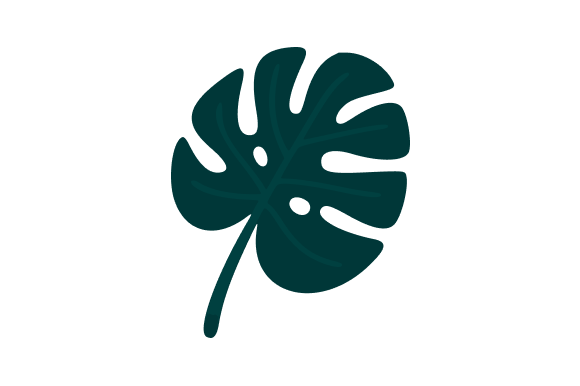
Monstera leaf clip art has become a popular choice for designers, marketers, and content creators looking to add a touch of nature to their projects. This illustration features the distinctive, split leaves of the Monstera plant, known for its bold and modern aesthetic. Whether used in print or digital formats, this clip art offers a unique visual element that can enhance a wide range of creative works.
What Is Monstera Leaf Clip Art?
Monstera leaf clip art refers to digital illustrations of the leaves from the Monstera deliciosa plant. These images are typically created in vector or raster formats, making them suitable for various design applications. The artwork often highlights the signature holes and notches found on Monstera leaves, giving it a recognizable and eye-catching appearance. This type of clip art is ideal for those seeking to incorporate a natural, tropical theme into their designs without the need for photography or complex illustrations.
Why Consider Monstera Leaf Clip Art?
There are several reasons why someone might choose Monstera leaf clip art over other design elements. First, the visual appeal of the Monstera leaf makes it a versatile asset for branding, marketing materials, and web design. Its clean lines and geometric shape allow it to fit seamlessly into both modern and minimalist styles. Additionally, the popularity of the Monstera plant in interior design and home decor has increased the demand for related graphics, making it a relevant and timely choice.
Another advantage is the availability of multiple file formats. Users can access high-quality SVG, EPS, JPG, and transparent PNG files, ensuring compatibility with different software and use cases. For instance, SVG files are scalable without loss of quality, making them ideal for logos or large-scale prints. EPS files are preferred by professional designers for their precision and editability. JPGs provide a high-resolution option for everyday use, while transparent PNGs allow for easy integration into layered designs.
Benefits and Tradeoffs
Using Monstera leaf clip art offers several benefits. It provides a consistent and stylized look that can be customized to match a brand’s identity. The availability of multiple file types ensures flexibility, allowing users to adapt the design to different platforms and projects. Furthermore, because it is a digital asset, it eliminates the need for time-consuming illustration work, saving both time and resources.
However, there are also tradeoffs to consider. While the clip art is visually appealing, it may not be as unique as custom illustrations. Depending on the source, some versions may be widely available, which could reduce their distinctiveness. Additionally, the effectiveness of the clip art depends on how well it aligns with the overall design concept. If the style or color scheme does not complement the rest of the project, the impact may be diminished.
Situations Where It Fits Well
Monstera leaf clip art is particularly well-suited for projects that require a fresh, natural, or tropical aesthetic. It is an excellent choice for branding in industries such as wellness, lifestyle, and eco-friendly products. For example, a fitness app might use the clip art to create a calming and organic visual identity. Similarly, a café or restaurant looking to emphasize a nature-inspired theme could benefit from incorporating Monstera leaf graphics into their signage or packaging.
This type of clip art is also useful for digital content creation. Bloggers, social media managers, and content creators can use it to add visual interest to posts, infographics, or promotional materials. Its scalability ensures that it looks sharp on both mobile and desktop screens, making it a practical choice for online engagement.
Situations Where Alternatives May Be Better
While Monstera leaf clip art is a strong option, there are scenarios where alternatives might be more appropriate. For instance, if a project requires a more abstract or symbolic representation of nature, other types of plant or leaf graphics could be more effective. Similarly, if the design needs to convey a specific cultural or regional theme, a different plant species might better suit the context.
In cases where originality is a top priority, custom illustrations may be preferable. While clip art offers convenience, it may lack the uniqueness that comes with hand-drawn or bespoke designs. Additionally, for projects that require a highly detailed or realistic depiction, stock photography or professional illustration services might be more suitable.
Decision-Making Insights
When deciding whether to use Monstera leaf clip art, it’s important to evaluate the specific needs of the project. Consider the intended audience, the desired aesthetic, and the technical requirements of the design. If the goal is to create a cohesive and recognizable brand image, the clip art can serve as a valuable tool. However, if the project demands a more personalized or intricate approach, alternative options should be explored.
Additionally, users should assess the quality and licensing of the clip art. High-resolution files and proper licensing ensure that the asset can be used without legal or technical issues. It’s also wise to compare different sources to find the best balance between cost, quality, and usability.
Conclusion
Monstera leaf clip art offers a practical and aesthetically pleasing solution for a wide range of design needs. Its versatility, availability in multiple formats, and alignment with current design trends make it a compelling choice for many creatives. However, like any design asset, it is most effective when used thoughtfully and in the right context. By considering the strengths and limitations of this clip art, users can make informed decisions that support their creative goals and enhance their work.