Electric Car Charging Station: A Vital Component of Modern Mobility
In recent years, the shift towards sustainable transportation has accelerated, with electric vehicles (EVs) becoming a common sight on roads worldwide. Central to this transformation is the Electric Car Charging Station, an essential infrastructure that supports the growing demand for eco-friendly travel. Whether you're a car owner, a business operator, or a designer looking for creative assets, understanding the role and significance of Electric Car Charging Stations can provide valuable insights into the future of mobility.
What Is an Electric Car Charging Station?
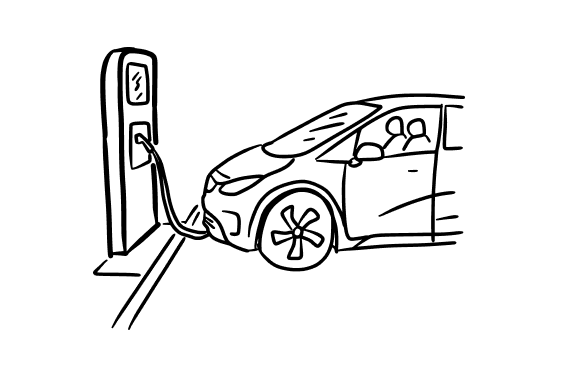
An Electric Car Charging Station is a device designed to supply electrical energy to electric vehicles, enabling them to recharge their batteries. These stations come in various forms, from basic home chargers to high-speed public charging points. They are crucial for ensuring that EVs remain practical and convenient for daily use.
The Electric Car Charging Station serves as the bridge between the power grid and your vehicle. Depending on the type, it can deliver different levels of power, affecting how quickly a vehicle can be charged. For instance, Level 1 chargers use standard household outlets, while Level 2 and DC fast chargers provide faster charging times suitable for public and commercial settings.
Key Features and Characteristics
Modern Electric Car Charging Stations are equipped with several features that enhance user experience and efficiency. These include:
- Smart Connectivity: Many stations offer Wi-Fi or cellular connectivity, allowing users to monitor charging progress through mobile apps.
- Compatibility: They support various charging standards, such as CCS, CHAdeMO, and Tesla Superchargers, making them versatile for different vehicle models.
- Safety Mechanisms: Built-in safeguards prevent overcharging and ensure stable power delivery, protecting both the vehicle and the station.
- User-Friendly Interfaces: Touchscreens or mobile applications simplify the charging process, even for first-time users.
These features make Electric Car Charging Stations not only functional but also accessible to a wide range of users, from tech-savvy individuals to those new to electric vehicles.
Where Can You Use an Electric Car Charging Station?
The versatility of Electric Car Charging Stations means they can be deployed in numerous locations. Here are some common applications:
- Residential Areas: Homeowners can install private charging stations to conveniently charge their vehicles overnight.
- Commercial Establishments: Businesses, such as shopping malls, offices, and hotels, often provide charging stations to attract EV owners.
- Public Spaces: Municipalities and cities are expanding their networks of public charging stations to support urban mobility.
- Highways and Rest Stops: Fast-charging stations along major routes help long-distance travelers stay on the move without range anxiety.
Whether at home, work, or on the go, Electric Car Charging Stations play a critical role in making electric vehicles a viable option for everyday use.
Who Benefits From Electric Car Charging Stations?
The advantages of Electric Car Charging Stations extend beyond individual car owners. Professionals, creators, and business owners can also benefit from integrating these stations into their operations.
For designers and marketers, Electric Car Charging Stations serve as a powerful visual element in campaigns promoting sustainability. High-quality illustrations of these stations can be used in presentations, infographics, and promotional materials to convey the message of green innovation.
Business owners who provide charging facilities may see increased foot traffic and customer loyalty. By offering a convenient service, they position themselves as forward-thinking and environmentally conscious.
Creators and content producers can leverage Electric Car Charging Station imagery in various projects, including stickers, web designs, and digital artwork. The availability of multiple file formats—such as SVG, EPS, JPG, and transparent PNG—makes it easy to adapt these visuals for different platforms and purposes.
Strengths and Considerations
While Electric Car Charging Stations offer numerous benefits, there are also factors to consider when choosing or installing one. One of the main strengths is their ability to reduce reliance on fossil fuels, contributing to a cleaner environment. Additionally, they can increase property value for homeowners who invest in private charging solutions.
However, Electric Car Charging Stations may require a significant upfront investment, especially for high-power models. Installation costs, electrical upgrades, and maintenance should all be factored into the decision-making process. It's also important to assess local regulations and utility company requirements before setting up a station.
Another consideration is the availability of charging infrastructure. While urban areas often have extensive networks, rural regions may lag behind, limiting the convenience of EV ownership in certain locations.
Real-World Applications
Let’s explore a few real-world scenarios where Electric Car Charging Stations make a difference:
- Urban Commuters: A city dweller uses a Level 2 charger at their workplace to top up their battery during the day, reducing the need for frequent home charging.
- Travelers: A family planning a road trip relies on fast-charging stations along highways to keep their EV powered for long distances.
- Businesses: A retail store installs a public charging station to attract customers and demonstrate its commitment to sustainability.
- Design Projects: A graphic designer incorporates an illustration of an Electric Car Charging Station into a campaign promoting clean energy, enhancing the visual appeal of the message.
These examples highlight the diverse ways in which Electric Car Charging Stations can be integrated into daily life and professional endeavors.
Evaluating Suitability for Different Needs
When considering whether an Electric Car Charging Station is right for you, it's important to evaluate your specific needs. Factors to consider include:
- Usage Patterns: How often do you drive, and what type of trips do you take? This will influence the type of charger you need.
- Budget: Determine how much you’re willing to invest in installation and maintenance.
- Location: Assess the availability of charging infrastructure in your area and whether you can install a private station.
- Vehicle Compatibility: Ensure the charger is compatible with your EV model and charging standards.
By taking these factors into account, you can make an informed decision about whether an Electric Car Charging Station is a good fit for your lifestyle or business.
Conclusion
The Electric Car Charging Station is more than just a piece of equipment—it's a symbol of progress toward a sustainable future. As electric vehicles continue to gain popularity, the demand for reliable and accessible charging solutions will only grow. Whether you're an individual looking to transition to an EV, a business seeking to enhance customer experience, or a creator searching for visual assets, understanding the role of Electric Car Charging Stations can open up new opportunities and possibilities.
With the right tools and knowledge, you can harness the potential of these stations to support your goals, contribute to environmental sustainability, and stay ahead in an evolving industry.